Why Roof Claims Feel Overwhelming
If you have never filed a roof insurance claim before, the process can feel like a maze. Between phone calls, inspections, paperwork, and waiting for decisions, it is easy to feel unsure of what step comes next or whether you are doing things in the right order.
The good news is that most roof claims in Alabama follow a fairly predictable path. Knowing the general order of events ahead of time can take a lot of the stress out of the process, even though every insurance company and every policy works a little differently. Always check your specific policy for the details that apply to your situation.
It also helps to go in with realistic expectations. Claims take time, some back-and-forth with your insurer is normal, and the more organized you are from the start, the smoother the rest of the process tends to go.
Step One: Document the Damage
The process usually starts with noticing a problem, whether that is a leak inside your home, visible damage after a storm, or simply wanting a roof checked after severe weather came through Central Alabama. Before anything else, it helps to document what you are seeing. Photos and notes about when you first noticed the issue can be useful later.
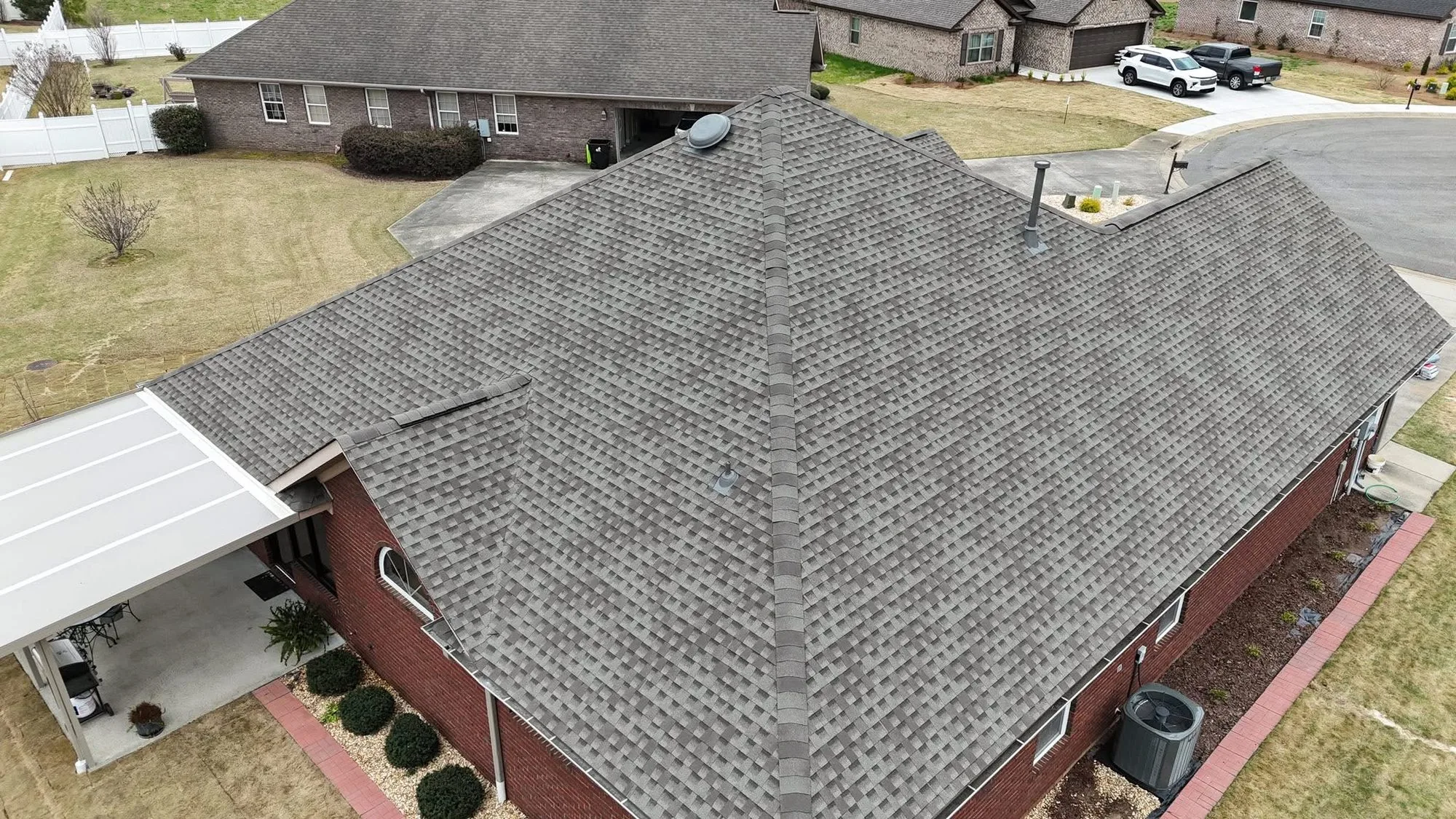
This is also a good time to schedule a professional roof inspection. A trained inspector can identify damage that is hard to see from the ground, such as hail bruising on shingles or wind damage along the edges of the roof, and can put together clear documentation that supports your claim.
Try to capture both close-up photos of specific damage and wider shots that show the overall condition of the roof. Dating your notes and photos, even just jotting down when a storm occurred, can help later if there is ever a question about timing.
Step Two: Review Your Policy
Before filing, take a few minutes to review your homeowner's insurance policy, or call your agent with questions. Policies vary quite a bit in terms of deductibles, coverage limits, and what types of damage are included. Understanding your specific policy terms before you file will help you know what to expect and ask the right questions along the way.
This step is easy to skip when you are eager to get the ball rolling, but it can save confusion later. Your insurance company is always the one that determines what is covered, so having a clear picture of your policy up front is worthwhile.
If any part of your policy language is unclear, do not hesitate to ask your agent to explain it in plain terms. It is far better to clarify coverage questions before filing than to be surprised partway through the process.
Step Three: File the Claim
Once you have documentation and a basic understanding of your coverage, the next step is contacting your insurance company to officially file the claim. You will typically need to describe the damage, provide the date you noticed it, and answer some basic questions about your home and policy.
Your insurer will then assign a claim number and usually schedule an adjuster to come inspect the damage in person. This is a routine part of the process, not a sign that anything has gone wrong.
Keep your claim number and any paperwork you receive in a single, easy-to-find place. You will likely reference it multiple times throughout the process, whether you are calling for an update or coordinating with your roofing contractor.
Step Four: The Adjuster Inspection
The insurance adjuster's job is to assess the damage and determine how it fits within your policy. This is often the step homeowners feel least prepared for, since it can be hard to know what the adjuster is looking for or whether everything is being accounted for.
Many homeowners choose to have their roofing contractor meet the adjuster on-site. A contractor who is familiar with roof damage can point out areas the adjuster might otherwise miss and can answer technical questions about the roofing system. Keep in mind that the final coverage decision always belongs to your insurance company, not the contractor.
Being present for the inspection yourself, when possible, also gives you a chance to ask questions directly and get a feel for the adjuster's initial observations before the official report comes through.
Step Five: Review the Settlement
After the inspection, your insurance company will send a settlement determination outlining what is covered and the next steps for payment. It is worth reading this document carefully and comparing it against the damage that was documented earlier in the process.
If anything seems unclear or does not match what was found during the inspection, you can usually ask your insurance company for clarification or request a reconsideration. Your policy will outline your specific rights and options in this situation.
This is also a good time to loop in your roofing contractor again, since they can help explain whether the scope outlined in the settlement reflects the actual repair or replacement work your roof needs.
Step Six: Schedule the Work
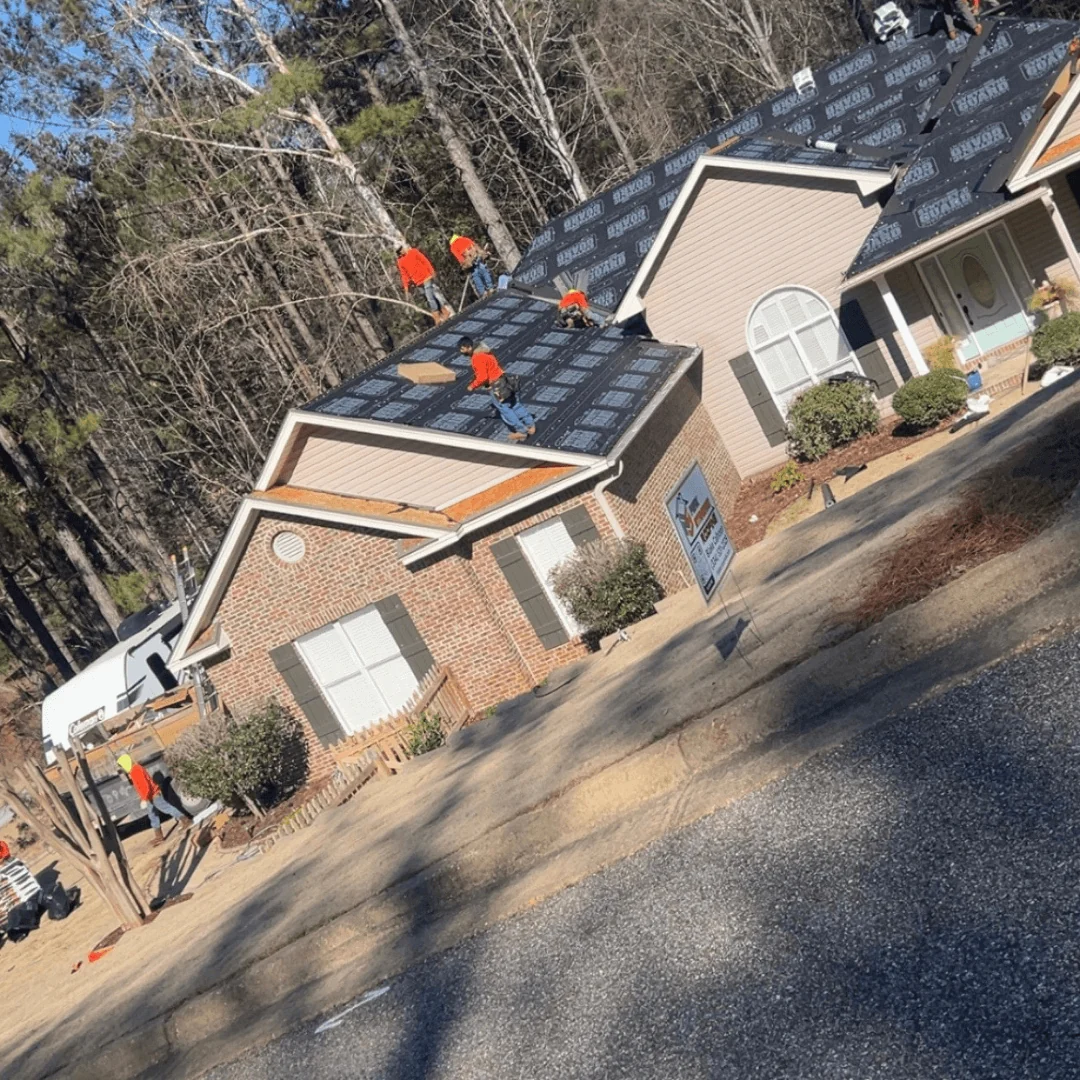
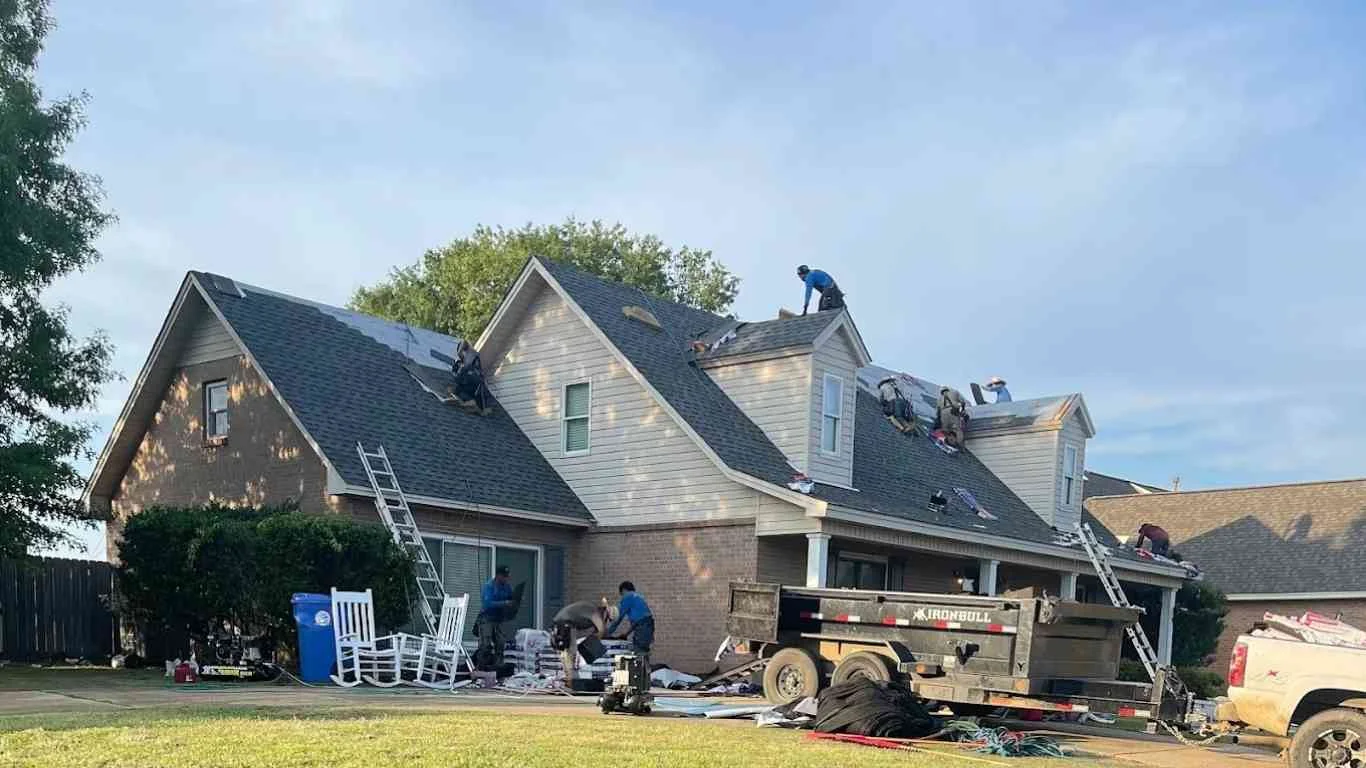
Once the claim is settled, the final step is scheduling the roofing work itself. This is where choosing an experienced, licensed roofing contractor matters. A reputable contractor will walk you through the scope of work, the materials being used, and the overall timeline, so there are no surprises once the project gets underway.
Throughout this entire process, patience and organization go a long way. Keeping copies of photos, claim numbers, and correspondence in one place makes it much easier to follow up if questions come up later.
Once work begins, staying in communication with your contractor about progress and any unexpected findings, such as hidden decking damage, helps keep the project moving smoothly from start to finish.
Let Peak Standard Roofing Help You Navigate the Process
Insurance claims are rarely simple, but you do not have to figure them out alone. Peak Standard Roofing can help Central Alabama homeowners with the claims process, including meeting with adjusters and documenting storm damage. We start with a free roof inspection so you have clear information before you ever pick up the phone with your insurer. Give us a call at (334) 531-2329 to get started.