WHAT IT IS
Flat Roofing
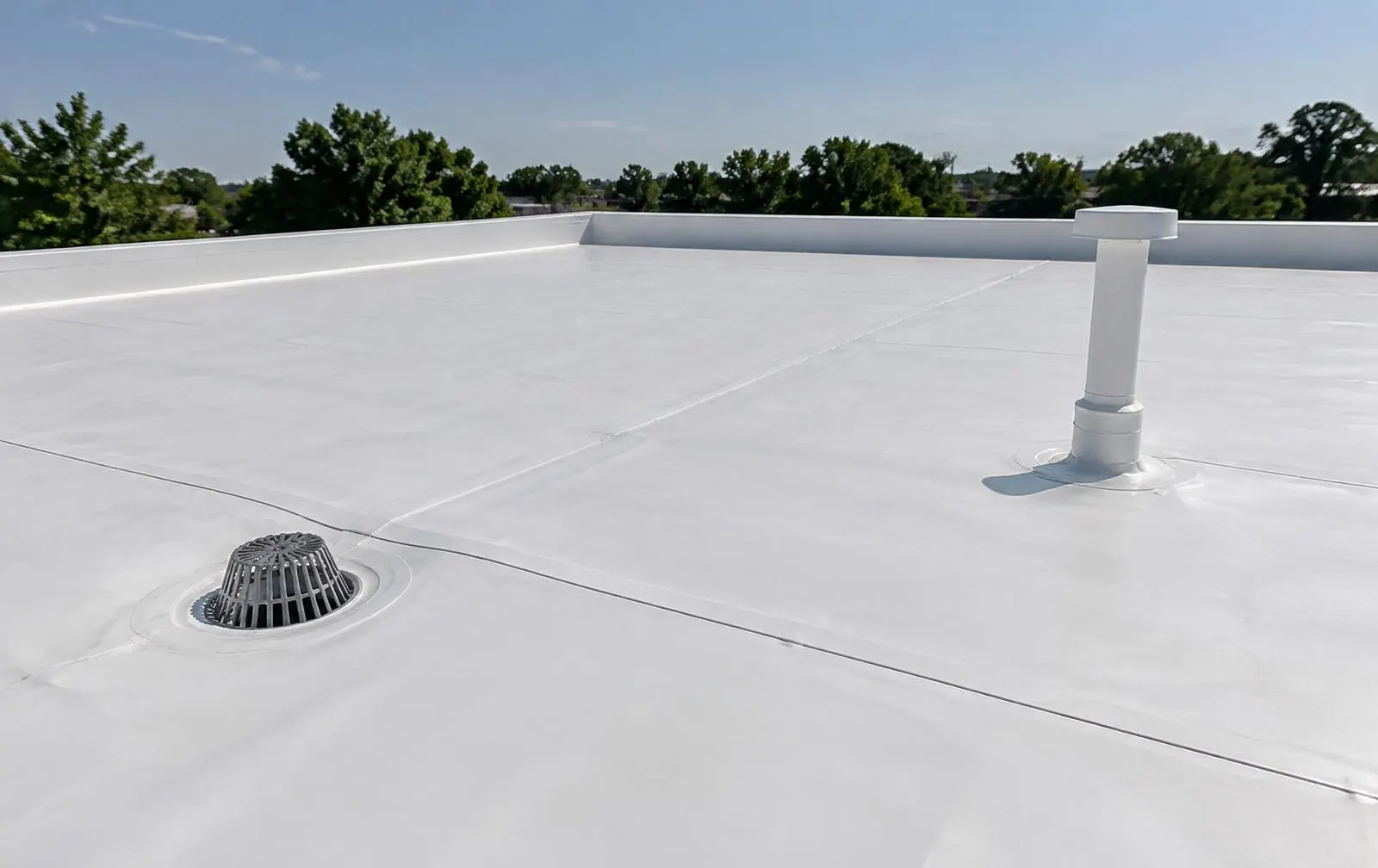
Flat and low-slope roofs work differently than a standard pitched roof. Instead of relying primarily on slope to shed water, these systems depend on a continuous, well-sealed membrane and proper drainage to keep water out. That makes material selection and installation precision especially important, since even a small gap in a seam can allow water to collect and eventually work its way inside.
Common flat roofing issues include standing water that lingers after rainfall, membrane seams that have opened over time, and blistering caused by trapped moisture or sun exposure. Each of these problems requires a different fix, which is why a careful inspection of the entire roof surface and drainage path comes before any recommendation.
Peak Standard Roofing evaluates flat roofs on both homes and commercial buildings throughout the River Region, looking closely at the membrane condition, flashing details, and how water actually moves across the roof. We explain what we find and recommend repair or replacement based on the real condition of the system, not a one-size-fits-all answer.
Signs you may need flat roofing
- Standing water that remains 48 hours or more after rain
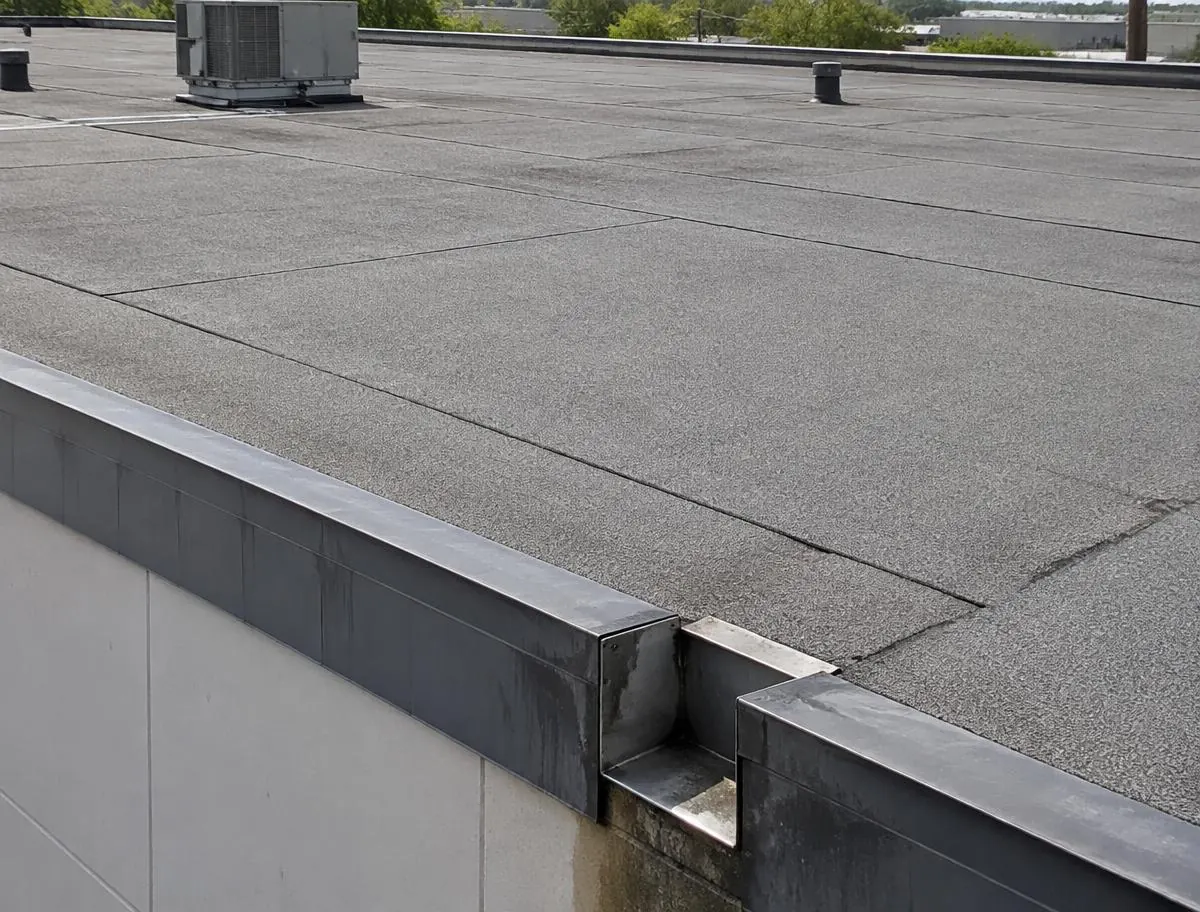
- Cracks, splits, or open seams in the roofing membrane
- Blistering or bubbling on the roof surface
- Interior leaks or ceiling stains below the flat roof
- Debris or ponding near drains and scuppers
- Visible wear or aging around roof edges and flashing